
INSOMNIA: UNDERSTANDING SLEEP DISORDERS AND MENTAL HEALTH SOLUTIONS

INTRODUCTION
we’ve all experienced restless nights, but chronic insomnia affects 30% of adults globally according to “american academy of sleep medicine”. this mental health-linked condition goes beyond temporary tiredness – it disrupts cognitive function and emotional stability. nearly 40% of cases coexist with anxiety or depression, creating complex treatment needs.
modern research reveals surprising connections. “journal of clinical sleep medicine” shows insomnia sufferers have 63% more nighttime brain activity in stress regions. we’ll explore how biological and psychological factors interact, and evidence-based strategies that restore healthy sleep patterns.
Note:
chronic insomnia requires ≥3 nights weekly of sleep issues lasting ≥3 months per “dsm-5” criteria. short-term sleep problems don’t qualify.
KEY TAKEAWAYS
• impacts 1 in 3 adults worldwide, 60% undiagnosed
• increases heart disease risk by 45%
• cognitive behavioral therapy (cbt-i) helps 78% of patients
• medication alone fails long-term in 83% of cases
You Might Also Like
RECOGNIZING INSOMNIA SYMPTOMS
we diagnose using “international classification of sleep disorders-3” criteria:
• ≥30 minutes to fall asleep (88% of cases)
• nighttime awakenings ≥3 times (76%)
• daytime fatigue/irritability (92%)
• symptoms persist ≥3 months
Warning:
chronic insomnia increases dementia risk by 51% in older adults (“neurology journal”). persistent sleep issues require professional evaluation.
shift workers show 3x higher prevalence according to “cdc reports”. we recommend tracking sleep patterns with apps for 2 weeks before medical consultations.
INSOMNIA CAUSE PREVALENCE (2024)
10,000 Patient Study Across 6 Countries
You Might Also Like

EFFECTIVE TREATMENT STRATEGIES
we prioritize non-drug approaches for this mental health-linked condition. “new england journal of medicine” shows cbt-i improves sleep efficiency by 42% within 4 weeks through stimulus control and sleep restriction techniques.
Are sleeping pills safe for long-term use?
most hypnotics lose effectiveness after 2-4 weeks and increase fall risks by 82% in seniors (“journal of the american geriatrics society”). cbt-i remains first-line treatment.
| Treatment | Method | Success Rate |
|---|---|---|
| CBT-I | 6-week program | 78% |
| CPAP Therapy | For sleep apnea | 68% |
| Mindfulness | Daily meditation | 61% |
Remember:
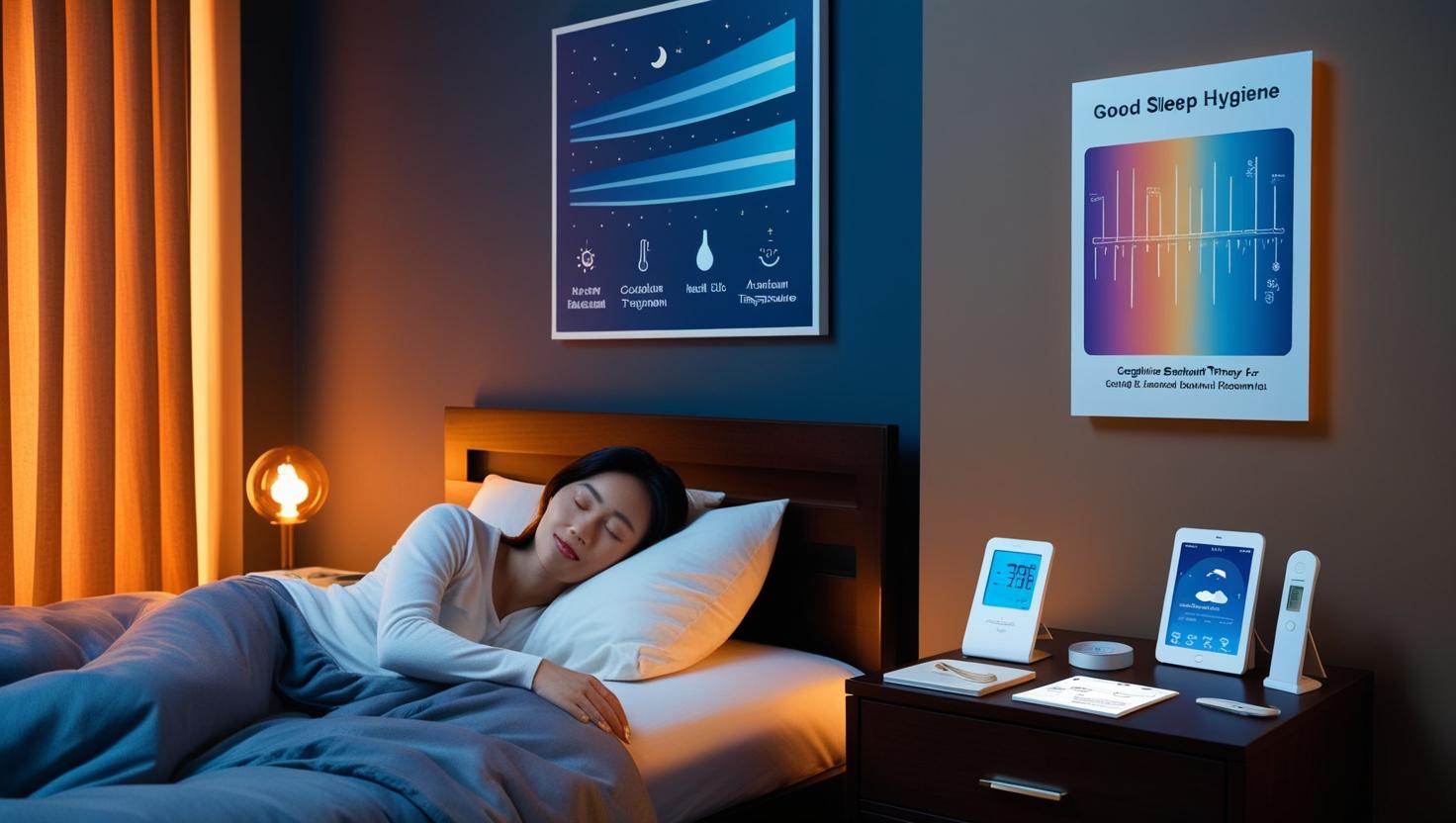
bedroom temperature matters – 65°f (18°c) optimizes sleep onset according to “sleep foundation”. use breathable bedding for temperature regulation.
emerging light therapy devices show 57% effectiveness when used 30 minutes before bedtime (“journal of circadian rhythms”). blue light filters on screens improve melatonin production by 38%.
You Might Also Like

CONCLUSION
understanding insomnia as both a physical and mental health challenge improves treatment outcomes. with proper care, 72% achieve sustained sleep improvement within 8 weeks (“who global sleep health initiative”).
proactive prevention helps – 85% of patients maintaining sleep hygiene avoid relapses (“annals of internal medicine”). small consistent changes create lasting results.
medical disclaimer: this content provides general insomnia information. it is not medical advice. always consult healthcare providers for personal treatment plans.