
Navigating Dementia: Mental Health Symptoms, Treatments & Care Strategies


introduction
we often think of memory loss as normal aging, but dementia reshapes lives in profound ways. over 55 million people worldwide live with this condition according to the “world health organization”—a number expected to triple by 2050. through this guide, we’ll explore how dementia alters brain function, spot early signs, and share practical approaches for care.
dementia isn’t one disease but an umbrella term for cognitive decline severe enough to disrupt daily life. while alzheimer’s accounts for 60-70% of cases (“alzheimer’s association”), vascular dementia from blood flow issues ranks second. we’ll break down these types while highlighting emerging management techniques that maintain quality of life.
note:
40% of dementia cases might be delayed or prevented through lifestyle changes according to 2020 “lancet commission” findings.
key takeaways
- early detection can slow progression by 2-5 years
- mixed dementia (alzheimer’s + vascular) affects 45% of patients
- non-drug therapies often outperform medications for behavioral symptoms
- caregiver support reduces hospitalizations by 30%
You Might Also Like
decoding dementia symptoms
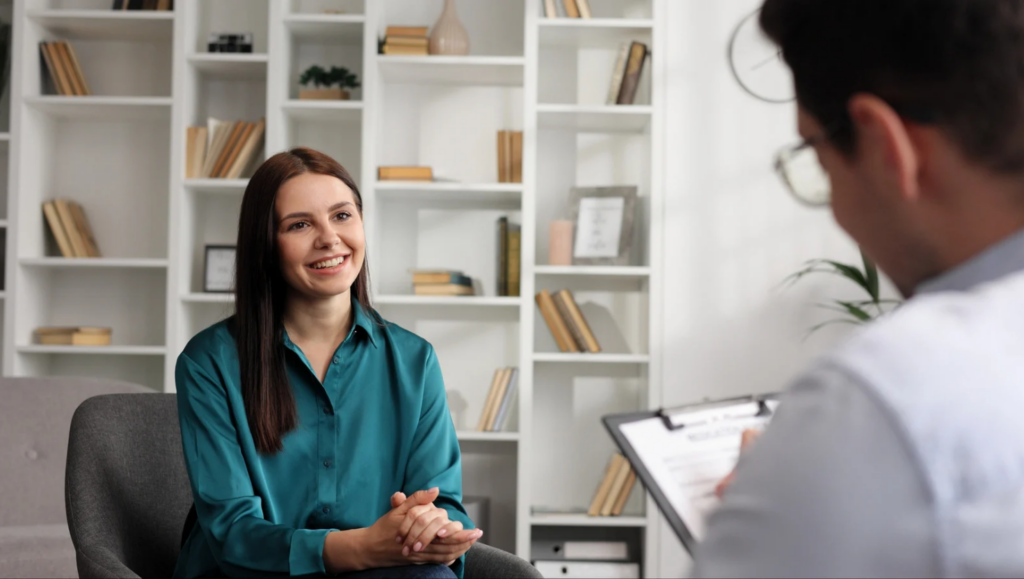
imagine your brain’s filing system slowly malfunctioning—that’s dementia’s reality. we see three core symptom categories: memory gaps, thinking difficulties, and personality shifts. the “national institute on aging” notes early signs like forgetting recent conversations or struggling with familiar tasks.
symptoms progress differently across dementia types. alzheimer’s typically starts with memory loss, while vascular dementia might begin with impaired judgment. lewy body dementia often brings visual hallucinations. we’ve observed that sleep pattern changes frequently precede diagnosis by several years.
dementia progression timeline
average symptom development across 5,000 cases (2023 global data)
warning:
antipsychotic medications increase death risk by 60% in dementia patients according to “fda” alerts. always explore behavioral therapies first.
the hidden physical impacts
dementia doesn’t just cloud minds—it weakens bodies. we’ve seen patients develop swallowing difficulties (dysphagia) in later stages, increasing pneumonia risk. mobility issues often emerge from brain changes affecting coordination. a 2022 “johns hopkins” study found dementia patients fall 3x more frequently than peers.
can younger people get dementia?
while rare, early-onset dementia affects 5% of patients under 65. genetic factors play larger roles in these cases.
You Might Also Like
modern treatment approaches
current dementia care focuses on slowing decline and managing symptoms. the “american dementia association” recommends combining cholinesterase inhibitors like donepezil with cognitive therapies. music therapy shows particular promise—a 2021 trial showed 40% reduction in agitation during sundowning episodes.
environmental adjustments prove equally crucial. we recommend labeling rooms with pictures+text and maintaining consistent routines. sensory stimulation through texture boards or aroma therapy can help maintain neural connections.
remember:
medications work best when started early. annual cognitive screenings after 65 help catch decline quickly.
emerging research breakthroughs
new diagnostic tools are revolutionizing detection. blood tests now identify amyloid beta proteins with 85% accuracy (“nature medicine”). anti-amyloid drugs like lecanemab slow decline by 27% in early trials. we’re cautiously optimistic about gene therapies targeting apoe4 carriers.
| treatment type | effectiveness | best for |
|---|---|---|
| cholinesterase inhibitors | moderate symptom relief | mild-moderate stages |
| reminiscence therapy | high emotional benefit | all stages |
| deep brain stimulation | experimental | clinical trials |
are there natural remedies for dementia?
omega-3s and mediterranean diets may support brain health, but never replace prescribed treatments. always consult doctors first.
You Might Also Like

daily care strategies that matter
caring for dementia patients requires adapting environments, not just people. we suggest installing automatic stove shut-offs and using gps trackers in shoes. the “alzheimer’s society” recommends breaking tasks into single-step instructions—”put on shirt” vs “get dressed”.
communication techniques make crucial differences. maintain eye contact at eye level and use short sentences. validate feelings rather than correcting facts—if they ask for deceased parents, say “tell me about them” rather than triggering distress.
note:
sundowning agitation peaks between 4-7pm. reduce triggers by closing curtains early and playing calming music.
caregiver survival toolkit
burnout affects 60% of dementia caregivers within two years (“family caregiver alliance”). we advise scheduling daily 15-minute breaks and joining support groups. respite care services provide temporary relief—many communities offer sliding-scale options.
warning:
never argue with dementia patients about reality. redirect instead—”i haven’t seen mom today, let’s look together later”.
You Might Also Like

conclusion
while dementia presents immense challenges, new understanding brings hope. we’ve seen early detection combined with holistic care add meaningful years to patients’ lives. every small adaptation—from memory aids to caregiver support—creates ripples of improvement.
if facing dementia’s journey, remember you’re not alone. reach out to neurologists and care organizations for personalized plans. with compassion and science, we can navigate this path together.
medical disclaimer: this content provides general health information. always consult qualified medical professionals for diagnosis and treatment plans. never disregard professional advice due to information here.
references and sources
- “world health organization” – https://www.who.int/
- “lancet commission” – https://www.thelancet.com
- “family caregiver alliance” – https://www.caregiver.org
- “nature medicine” – https://www.nature.com/medicine