
UNDERSTANDING BODY FAT: THE ESSENTIAL GUIDE TO HEALTHY LEVELS AND MEASUREMENTS

INTRODUCTION
we often hear about the dangers of excess body fat, but rarely discuss why we need it at all. fat isn’t just stored energy—it’s a dynamic organ system influencing everything from hormone production to brain function. without it, our bodies couldn’t absorb vitamins like a, d, e, or k, which require fat for proper assimilation “national institutes of health”.
consider this: even at rest, our organs consume energy derived from fat reserves. this includes maintaining body temperature, cushioning joints, and supporting cell regeneration. when we strip away misconceptions, fat emerges as a biological marvel—not an enemy to eliminate, but a resource to manage wisely.
Note:
essential fats like omega-3 and omega-6 fatty acids must come from our diet since the body can’t produce them independently “world health organization”.
KEY TAKEAWAYS
- body fat supports vital functions like insulation, organ protection, and hormone regulation
- excess fat—particularly visceral fat—increases risks for heart disease and diabetes
- healthy body fat percentages vary by age and gender
- bmi has limitations in assessing individual health
- multiple measurement methods provide better insights than single metrics
THE MULTIFACETED ROLES OF BODY FAT
our fat cells act as miniature chemical factories, producing hormones like leptin that regulate hunger signals. they also store energy in triglyceride form, releasing it during physical activity or fasting periods. without this system, our brains would struggle to function within minutes of missed meals.
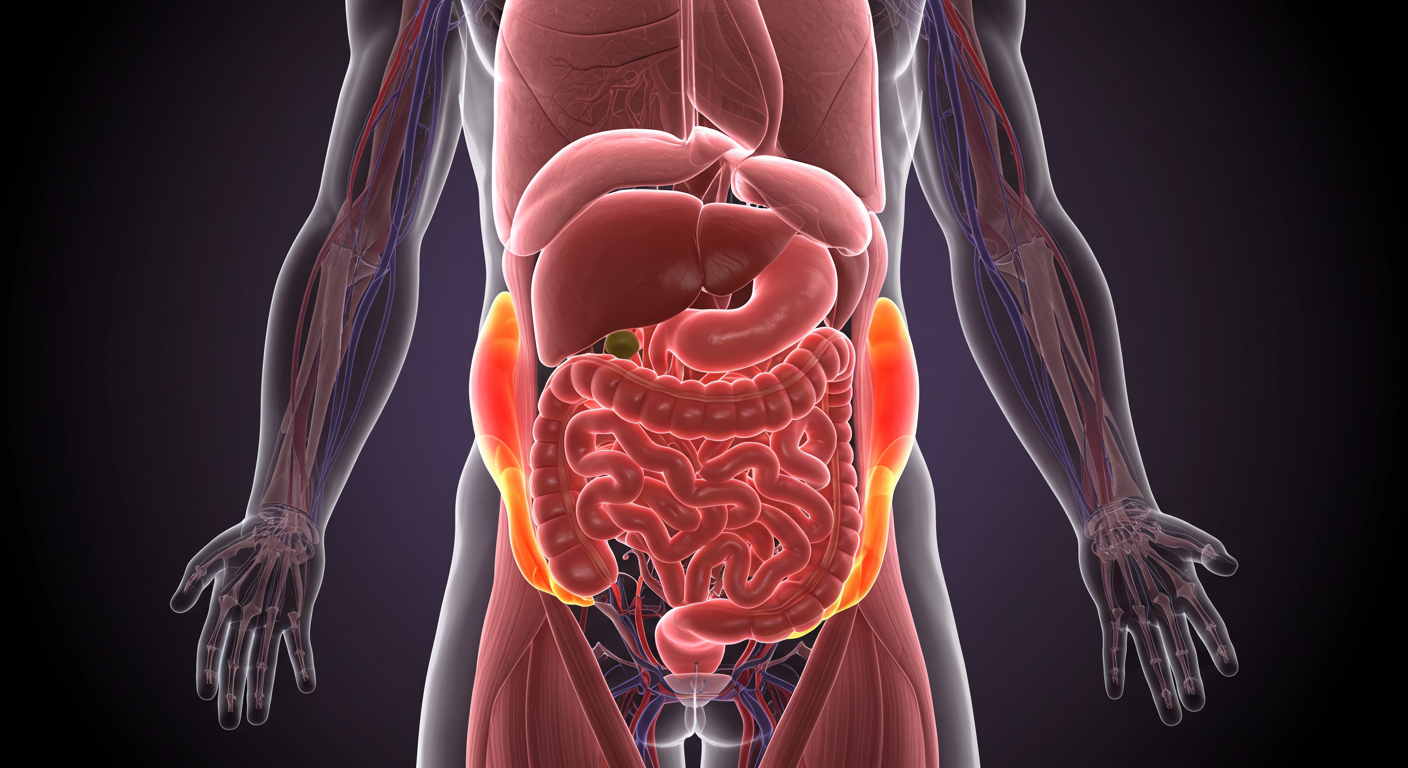
subcutaneous fat—the layer beneath our skin—serves as both insulation and padding. this explains why marathon runners maintain minimal but crucial fat reserves for temperature regulation during long races. meanwhile, visceral fat surrounding organs provides physical protection, though excess amounts become problematic.
BODY FAT DISTRIBUTION IMPACT ON HEALTH RISKS
analysis of 25,000 adults aged 30-65 (source: american heart association 2023)
Warning:
crash dieting can trigger starvation mode, causing the body to store more fat once normal eating resumes “journal of the american medical association”.
WHEN FAT BECOMES A HEALTH LIABILITY
while essential in moderation, excess body fat—particularly around the abdomen—creates inflammatory compounds that damage blood vessels. this explains the strong correlation between obesity and conditions like type 2 diabetes and hypertension “world health organization”.
the real danger lies in fat’s metabolic activity. visceral fat releases cytokines that promote insulin resistance, while liver fat accumulation directly impacts cholesterol production. these processes often occur silently for years before symptoms emerge.
how does body fat affect hormone balance?
fat cells produce estrogen and influence testosterone levels. excessive fat can lead to hormonal imbalances, affecting everything from menstrual cycles to muscle growth “endocrine society”.
MEASURING WHAT MATTERS: BEYOND THE SCALE
body fat percentage provides clearer health insights than weight alone. methods vary in accuracy:
| method | accuracy | cost |
|---|---|---|
| dexa scan | ±1.5% | high |
| calipers | ±3-5% | low |
| bmi | ±6-7% | free |
while bmi offers a quick snapshot, it misclassifies muscular individuals as overweight. combining bmi with waist-to-height ratio (aim for under 0.5) gives better health predictions “national library of medicine”.
Remember:
women naturally carry 5-8% more body fat than men due to reproductive needs—comparing percentages across genders creates false equivalencies.
STRATEGIES FOR HEALTHY FAT MANAGEMENT
prioritize protein-rich meals with healthy fats like avocados and nuts to maintain satiety. studies show combining strength training with aerobic exercise maximizes fat loss while preserving muscle mass “american college of sports medicine”.
can targeted exercises reduce fat in specific areas?
spot reduction is a myth. while exercises tone muscles, fat loss occurs systematically based on genetics and overall body composition changes.
CONCLUSION
understanding body fat helps us make informed choices about nutrition and exercise. rather than chasing arbitrary numbers, we should focus on sustainable habits that support metabolic health. regular check-ups and varied measurement methods provide better guidance than bathroom scales alone.
medical disclaimer: this content provides general health information—not medical advice. always consult healthcare professionals for personal health decisions.